
Introduction
Cats are mysterious creatures with unique behaviors that can often leave their owners puzzled. Understanding these behaviors can enhance your bond with your feline friend and help you provide a nurturing environment. In this article, we’ll explore the top 10 cat behaviors, explain what they mean, and offer some product suggestions to enhance your cat's life.
1. Kneading
When your cat kneads with its paws, often referred to as "making biscuits," it can be a sign of comfort and affection. This behavior is typically seen in young cats when they are nursing from their mother. In adults, it signifies a sense of safety and happiness. If your cat kneads your lap, it’s a sign they feel secure and enjoy your presence. While this behavior can lead to scratched furniture, providing a dedicated kneading area with a comfortable blanket can help.
2. Purring
Purring is one of the most recognizable sounds made by cats. While it often indicates contentment, cats also purr when they are in pain or stressed as a self-soothing mechanism. Observing the context, such as whether they’re resting or in a tense situation, can provide insight into their feelings. When your cat is purring and relaxed, it’s a positive sign of their well-being and happiness. To enhance this comfort, consider creating a cozy space with a Catstages Nina Ottosson Buggin' Out Puzzle & Play that can provide mental stimulation.
3. Scratching
Scratching is a natural behavior for felines, as it helps them sharpen their claws, mark territory, and stretch their muscles. It’s essential to provide appropriate scratching posts to encourage this behavior away from your furniture. Different cats prefer different types: some favor vertical posts while others may prefer horizontal surfaces. Investing in a good scratching post can save your furniture while keeping your cat happy. Consider a multi-function piece like the Cat Litter Box Enclosure with Cat Tree Tower that features a scratching surface.
4. Bringing You “Gifts”
When a cat presents you with a gift, such as a caught mouse or bird, their instinct to hunt is shining through. This behavior is often a sign of affection, signaling that they want to share their success with you, whom they consider part of their family. It can also be an invitation to engage in play or a way to teach you how to hunt. It might be unpleasant and inconvenient, but underlying this behavior is a strong bond with you. Allowing them to play with some interactive toys, like the Interactive Cat Toys Ball, can channel their hunting instincts healthily.
5. Tail Positioning
The tail can be a fascinating indicator of a cat's mood. A high tail often represents confidence and contentment, while a low tail may indicate fear or uncertainty. If your cat's tail is puffed up, they could be scared or feeling threatened. Observing your cat’s tail in conjunction with their body language can greatly help in understanding how they feel in different situations. Ensure their environment is comfortable and secure to promote positive tail positioning.
6. Slow Blinking
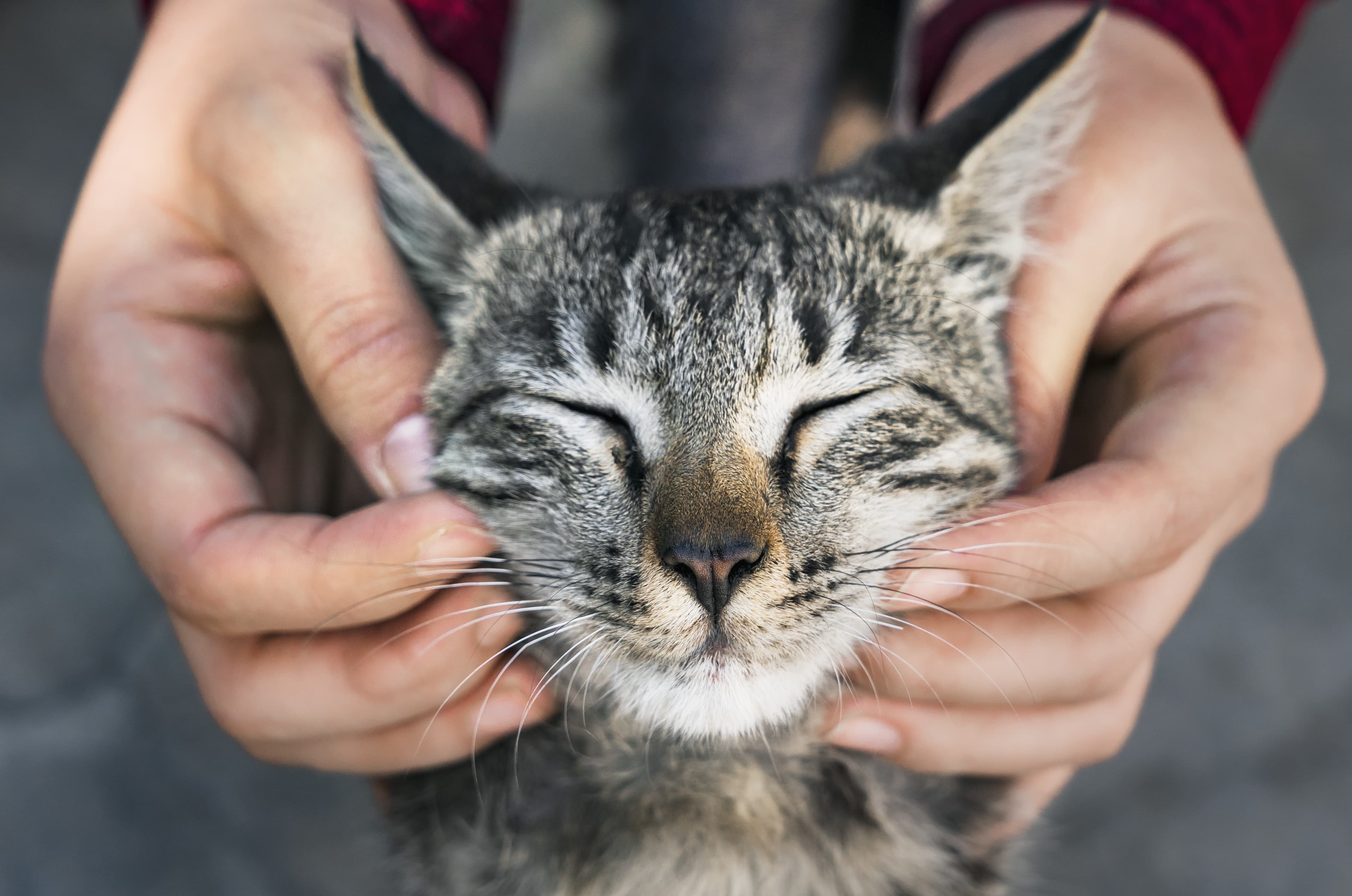
When a cat looks at you and slowly blinks, it can be a sign of trust and affection. This behavior mimics how cats show they are feeling safe, as closing their eyes around you indicates that they feel comfortable. You can respond with a slow blink in return to strengthen the bond you share. Practicing this behavior can create a more trusting relationship between you and your feline companion.
7. Head Butting
Also known as "bunting," head butting is a way a cat marks its territory and shows affection towards you. By rubbing their head against you, they are claiming you as their own. This behavior often occurs when they are greeting you or seeking attention. Providing affectionate and gentle petting during this interaction can reinforce the bond you share. Remember to reciprocate this affection in a way your cat enjoys.
8. Playfulness
Cats have a playful nature, which is a crucial part of their physical and mental well-being. Engaging in games mimics their hunting behavior and provides them with exercise, which is vital for their health. Play can involve anything from chasing toys to pouncing on a feather. Keeping an assortment of toys, including interactive ones, will keep your cat entertained and mentally stimulated. Products like the Interactive Cat Toys Ball can be particularly effective for playful afternoons.
9. Hiding
Cats are natural hunters, and sometimes they need a space to feel safe and secure. If you notice your cat spending time in hidden places, it might be their way of feeling safe, especially in a busy household. Providing them with a cozy hiding place to retreat to can help them feel secure. This behavior is also normal during stressful situations, such as visits from unfamiliar people or loud noises.
10. Grooming
Grooming is an essential part of a cat's routine, promoting cleanliness and helping them to relax. It also serves as a way to regulate their body temperature and can be a social behavior when done among cats. However, excessive grooming can indicate stress or health issues, so observing your cat's grooming habits is important. Providing enrichment activities and ensuring a clean, comfortable environment can help reduce unnecessary stress.
Conclusion
Understanding your cat’s behaviors can greatly enhance your relationship and ensure they are happy and healthy. By interpreting these actions, you can provide better care and create a nurturing space for them. Additionally, consider beneficial products that can enrich their lives, such as the Catstages Nina Ottosson Buggin' Out Puzzle & Play or the Cat Litter Box Enclosure with Cat Tree Tower. These thoughtful additions can support their natural behaviors and provide a fulfilling indoor environment.